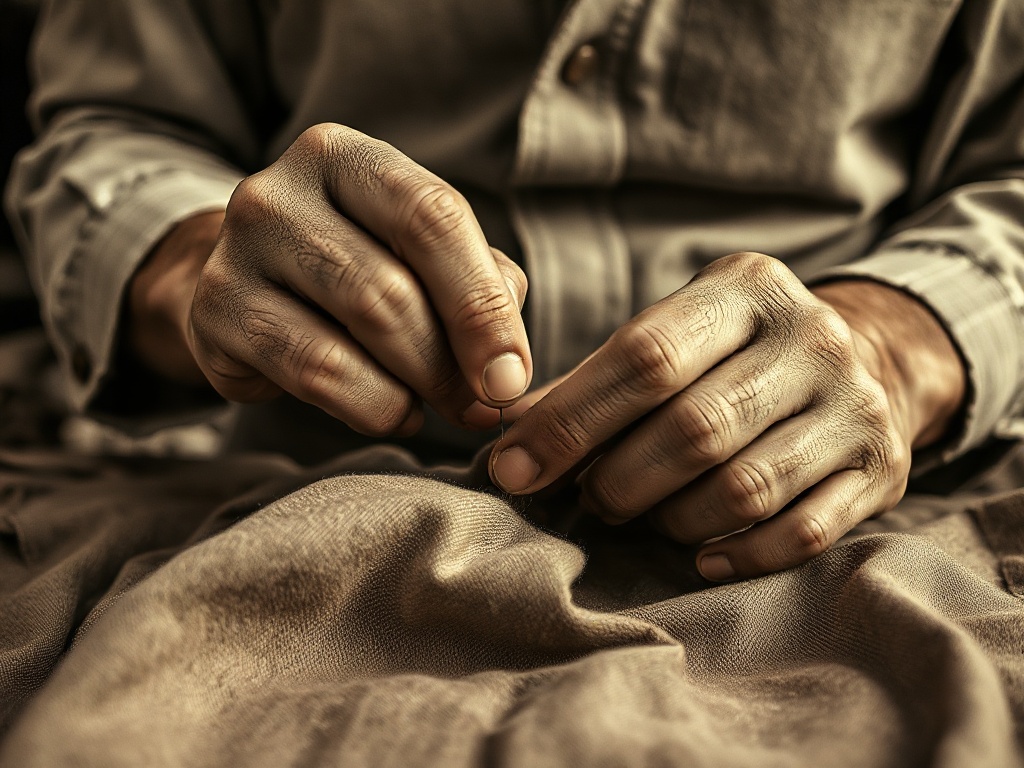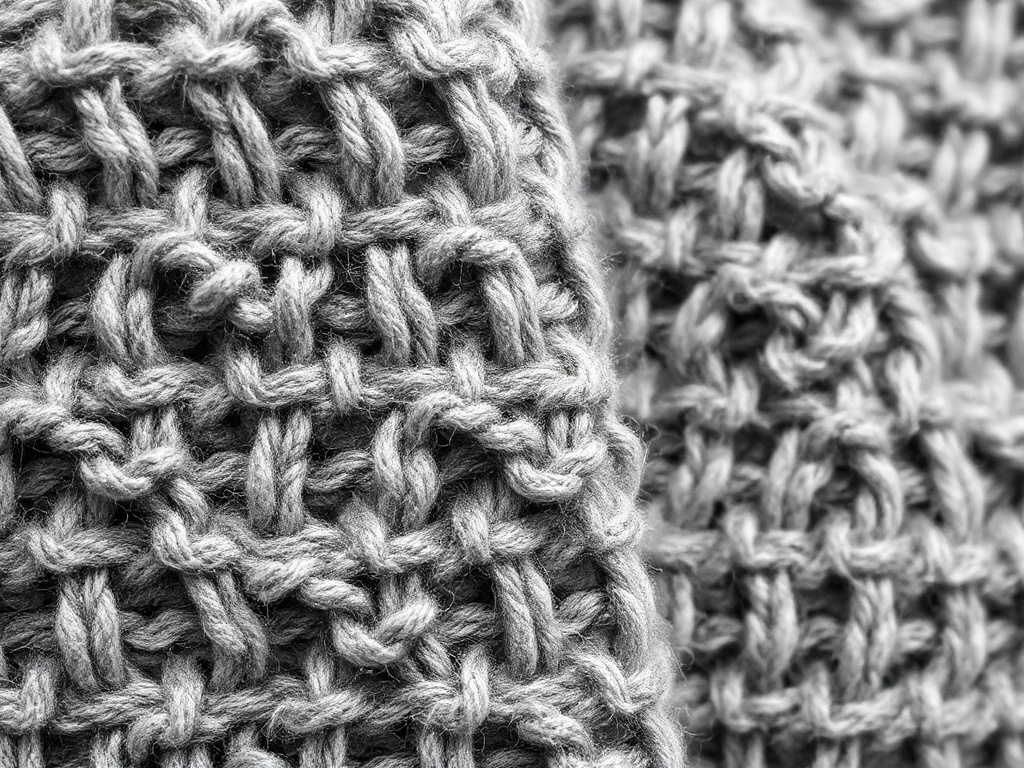
A founder's letter. A mill in Pennsylvania. A shop in Massachusetts. These are not supply-chain footnotes — they are the reason the garment exists.
To whoever is reading this —
I started Quillon because I kept looking for a jacket I couldn't find. Not something that announced itself. Not something engineered for a trend cycle. Something that felt like it had already been worn in, like it had history before I owned it.
What I found, looking, was that the clothes I wanted still existed — just barely. The mills that wove the right canvas. The shops where a cutter could still read a pattern by feel. They were still there, in Pennsylvania, in Massachusetts, in the Carolinas. Quieter than they once were. Still working.
Quillon is a brand built on restraint. Not about price or logo — about knowing when to stop adding things. A garment that does one thing well and lasts ten years doing it.
Every piece we make is numbered. Not as a gimmick — as a record. The number on your tag is a serial, an acknowledgment that this specific thing was made by specific people at a specific moment. You own No. 47, or No. 312. That's not marketing. That's a provenance.
— Thomas Aldrich
Founder, Quillon
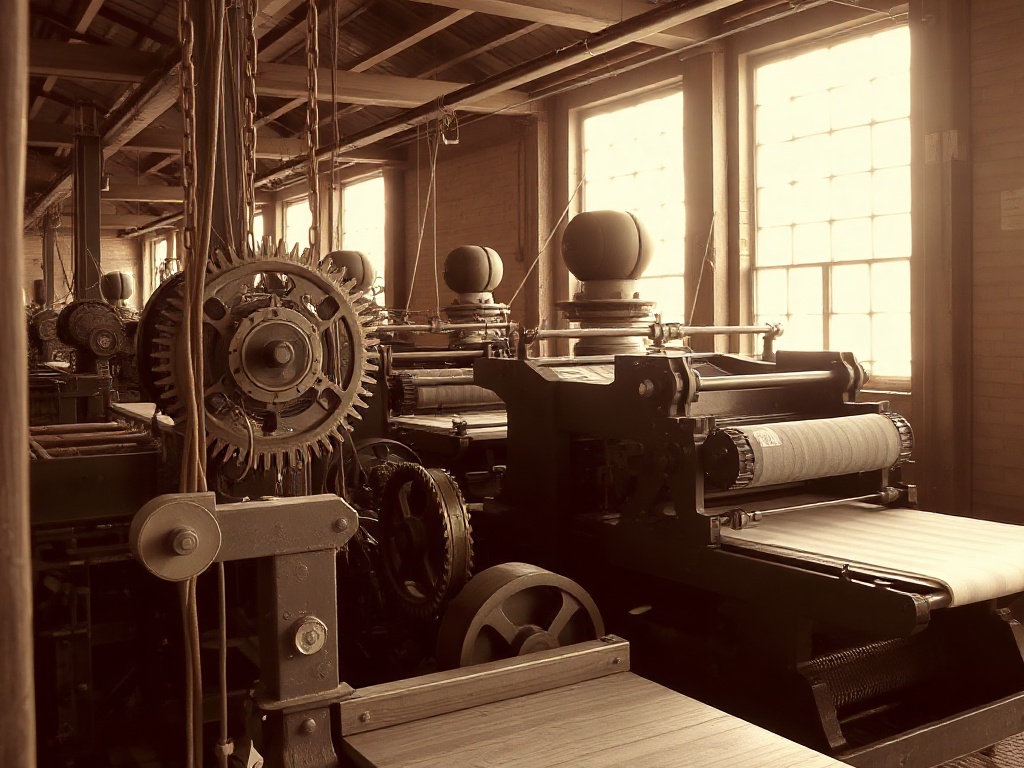
The Conestoga Woolen Company was founded in 1891 by Heinrich Brubaker, a German-trained weaver who arrived in Lancaster County with one loom and a particular stubbornness about thread count. His sons expanded the mill in 1924, adding a second weaving floor and a stone dye house that still stands. The Brubaker family ran Conestoga for three generations. The fourth generation sold a controlling interest in 1978, but the weave specifications — archived in a set of leather-bound pattern books — have never left the building.
Today Conestoga produces two weights of boiled wool and a waxed cotton canvas that has been essentially unchanged since 1941, when the mill began supplying material for military field jackets. The canvas — a 10.5-oz duck, stone-washed to a matte finish — is what Quillon uses for outerwear shells. It is heavy enough to hold a crease without stiffening in cold weather, and it softens with wear rather than degrading.
We source directly from Conestoga. No intermediary, no converter. The bolts arrive at our cut shop still tagged with the Brubaker mill mark, a small diamond with the letter C pressed into each selvage.
Lawrence, Massachusetts was once the textile capital of the world. At the turn of the last century, the Merrimack River mills employed forty thousand people. Most of those buildings are lofts now, or empty. Harlow Cut & Sew operates out of a sixth-floor space in one of the original mill buildings on Union Street, four sewing machines and a cutting table, overlooking the canal.
Linda Harlow started the shop in 1962 after fifteen years on the floor at the old Arlington Mills. Her daughter Diane took it over in 1989. Diane's son Marcus runs production today. Three generations working in the same building, same floor, roughly the same machines — a Juki single-needle and a Consew walking foot that Marcus had rebuilt twice rather than replace, because the newer machines don't hold tension the same way on heavy canvas.
Harlow handles all of our cut-and-sew work. Every pattern piece is cut by hand from full bolts. Seam allowances are finished on a serger before assembly, then flat-felled on the outside — a slower method, but it means the inside of a Quillon jacket looks as considered as the outside.
Each numbered piece carries their work. See the current drop →